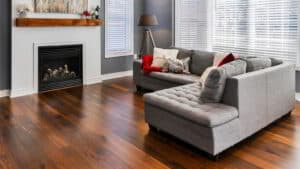
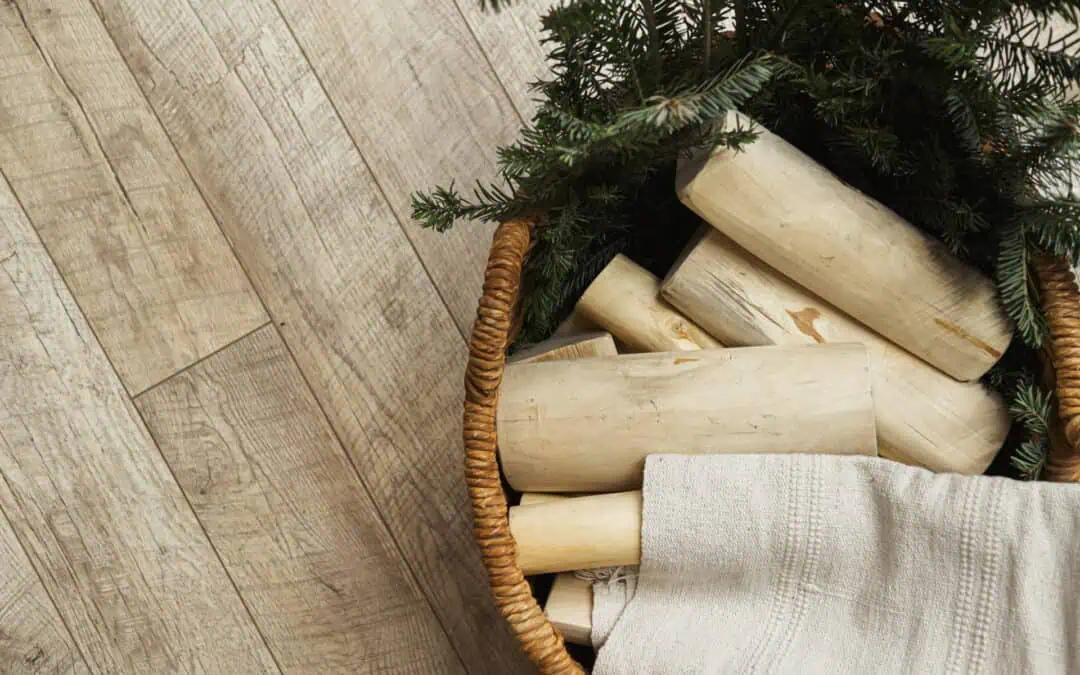
Luxury vinyl plank (LVP) flooring has quickly become a favorite among homeowners and designers. Its ability to mimic natural materials while offering durability and water resistance has reshaped flooring choices. Trends in luxury vinyl plank flooring continue to evolve, bringing innovative designs, textures, and features that cater to modern needs. According to industry reports, LVP now accounts for more than 40% of all new residential flooring sales in the United States, underscoring its rapid rise in popularity. Understanding these trends can help anyone looking to update their floors make a stylish and practical choice.
Innovative LVP Designs for Homes
LVP flooring now features designs that can closely resemble natural materials such as wood and stone. Advancements in digital imaging, surface printing, and embossing allow manufacturers to reproduce grain patterns, knots, mineral details, and color variations with impressive precision. The Resilient Floor Covering Institute confirms that rigid core products are manufactured in realistic visuals and offered in both tile and plank formats. A flooring contractor can help homeowners compare samples under the room’s natural and artificial lighting before selecting a pattern. These versatile designs can complement nearly any decorating style, from rustic interiors to contemporary spaces.
- Wood-look designs provide the warmth and character associated with hardwood.
- Stone-look options can add a polished appearance to kitchens and bathrooms.
- Modern finishes include matte, glossy, embossed, and deeply textured surfaces.
Textured and Hand-Scraped LVP Styles
Flooring textures are no longer limited to natural wood or ceramic tile. LVP is available with hand-scraped, wire-brushed, distressed, and embossed finishes that create more visual depth and character. Surface texture should not be confused with verified slip resistance, particularly in homes occupied by older adults, because the CDC reports that more than 14 million older adults report falling each year. Buyers should review the manufacturer’s slip-resistance information instead of choosing a floor solely by how rough or smooth it feels. These detailed styles can still provide the natural appearance many property owners want while helping disguise minor dirt, scuffs, and everyday wear.
- Hand-scraped finishes reproduce the irregular appearance of artisan wood flooring.
- Wire-brushed textures create subtle depth and can make small scratches less noticeable.
- Distressed styles provide a weathered, lived-in appearance.
Waterproof and Rigid Core Technology
Demand for flooring that tolerates spills and everyday moisture has encouraged continued innovation in LVP construction. Many modern products include water-resistant or waterproof surface materials, while rigid core flooring uses a firm polymer-based center that improves dimensional stability. Waterproof flooring should not be considered floodproof because moisture can still travel through room edges, damaged seams, wall openings, or the surrounding structure and reach the subfloor. FEMA warns that one inch of water can cause approximately $25,000 in home damage, showing why major leaks and flooding require immediate attention even when LVP appears unaffected. Product warranties, installation instructions, and moisture limitations should always be reviewed before placing LVP in bathrooms, kitchens, laundry rooms, or basements.
- Waterproof LVP is commonly considered for kitchens, bathrooms, laundry rooms, and basements.
- Rigid core construction improves stability and may help flooring tolerate everyday impacts.
- Prompt spill cleanup and proper perimeter sealing help protect the subfloor and surrounding materials.
Eco-Friendly LVP Flooring Options
Sustainability is becoming a priority for many homeowners, and LVP flooring now includes products made with recycled content or certified for low chemical emissions. Recycled content and low-VOC performance address different concerns, so shoppers should review documentation instead of relying on broad “green” marketing claims. The EPA reports that Americans spend about 90 percent of their time indoors, where concentrations of some pollutants are often two to five times higher than outdoor levels. A flooring contractor can review product certificates, adhesive requirements, and environmental disclosures before recommending an LVP option. FloorScore certification verifies compliance with established VOC-emission criteria, but it does not automatically confirm recycled content or every aspect of environmentally responsible manufacturing.
- Verified recycled content can reduce reliance on newly produced raw materials.
- Low-emitting flooring can help limit one potential source of indoor VOCs.
- FloorScore certification confirms compliance with specific indoor air VOC-emission standards.
Wide and Extra-Long Plank Trends
Wide and extra-long planks have gained attention for their ability to create an open, continuous appearance. Larger plank dimensions can reduce the number of visible joints across a room, helping broad residential and commercial spaces feel less visually crowded. Proper preparation remains important because the Resilient Floor Covering Institute states that manufacturer requirements for subfloor flatness, moisture, expansion space, and underlayment should govern rigid-core flooring installation. Careful planning also helps prevent narrow border pieces, awkward transitions, and noticeable alignment problems.
- Wider planks can reduce the number of seams visible across a room.
- Longer planks encourage continuous visual flow through open spaces.
- Large plank formats require accurate measurements and proper expansion spacing.
Customizable LVP Patterns and Layouts
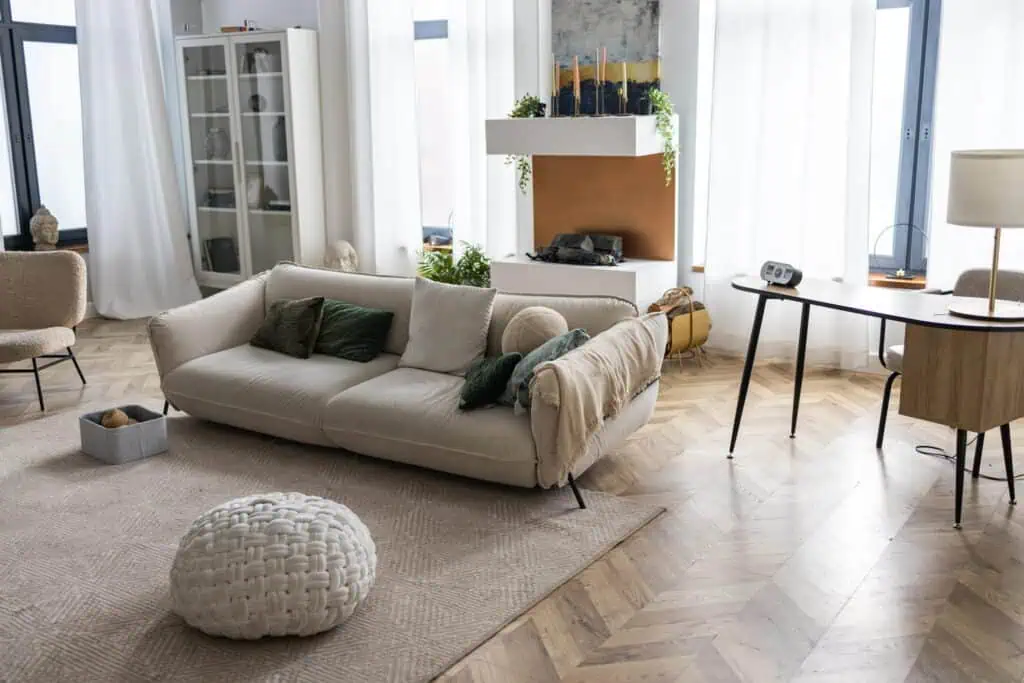
LVP provides several opportunities for creative layouts, although the available pattern depends on the product’s dimensions and installation system. Homeowners and designers may use compatible planks or tiles to create herringbone, diagonal, staggered, checkerboard, and parquet-inspired arrangements. Armstrong Flooring confirms that luxury vinyl flooring can be arranged in multiple geometric patterns, including staggered and diagonal layouts, while certain products support herringbone, basketweave, or windmill designs. Complex layouts usually require additional cuts, careful centering, and more material to account for waste.
- Herringbone patterns create a traditional, detailed appearance.
- Chevron-style layouts add strong directional movement to a space.
- Parquet-inspired designs can produce a classic look when the selected LVP product supports the pattern.
Durability and Scratch Resistance Improvements
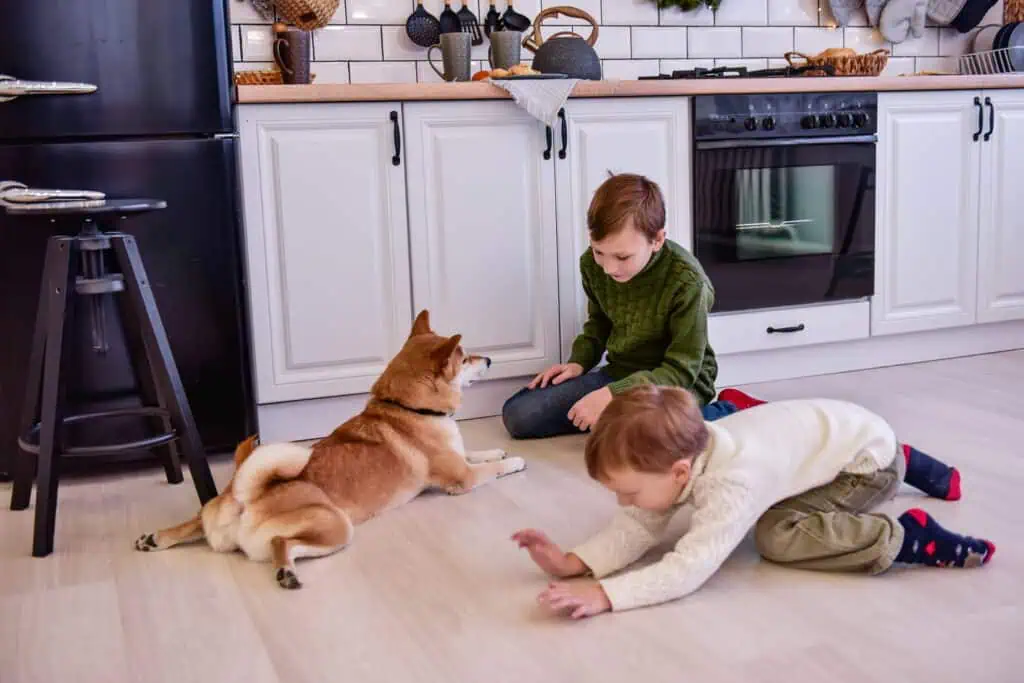
Modern LVP is built to last, with enhanced durability that resists daily wear and tear. Improvements in wear layers and protective coatings have made it even more scratch-resistant, a feature especially appreciated by families with pets or active lifestyles. A dog owner who installed scratch-resistant LVP in their entryway was impressed by how well it held up against claws and heavy traffic.
- Advanced wear layers protect against scratches and scuffs.
- UV protection prevents fading from sunlight exposure.
- Antimicrobial coatings reduce odors and improve hygiene.
Key Takeaways for Luxury Vinyl Plank Flooring Trends
Trends in luxury vinyl plank flooring highlight its evolution as a versatile, durable, and stylish option for homes and businesses. Innovative designs and textures bring natural beauty to any space. Features like waterproofing and scratch resistance cater to practical needs, while eco-friendly options reflect growing environmental awareness. The flexibility of LVP allows for creative layouts that elevate the overall aesthetic of a room.
- Realistic wood and stone-look designs cater to various styles.
- Textured finishes add character and hide wear.
- Durable features like waterproofing and scratch resistance ensure longevity.
Frequently Asked Questions About Luxury Vinyl Plank Flooring
1. Is luxury vinyl plank flooring good for high-traffic areas?
Yes, modern LVP is designed to handle heavy use, making it a great choice for high-traffic areas like entryways, kitchens, and living rooms.
2. Can LVP flooring be installed in bathrooms?
Waterproof LVP is ideal for bathrooms due to its resistance to water, humidity, and stains.
3. How does LVP compare to hardwood in terms of cost?
LVP is generally more affordable than hardwood, both in material costs and installation expenses, while still offering a similar look.
4. Are there pet-friendly LVP options?
Many LVP products feature scratch-resistant and waterproof coatings, making them excellent for homes with pets.
5. How long does luxury vinyl plank flooring last?
With proper care, LVP can last 15–25 years, depending on the quality of the product and the wear layer.
This in-depth exploration of LVP trends provides insight into its growing popularity and versatility, ensuring readers have the knowledge to choose flooring that meets their style and functional needs.