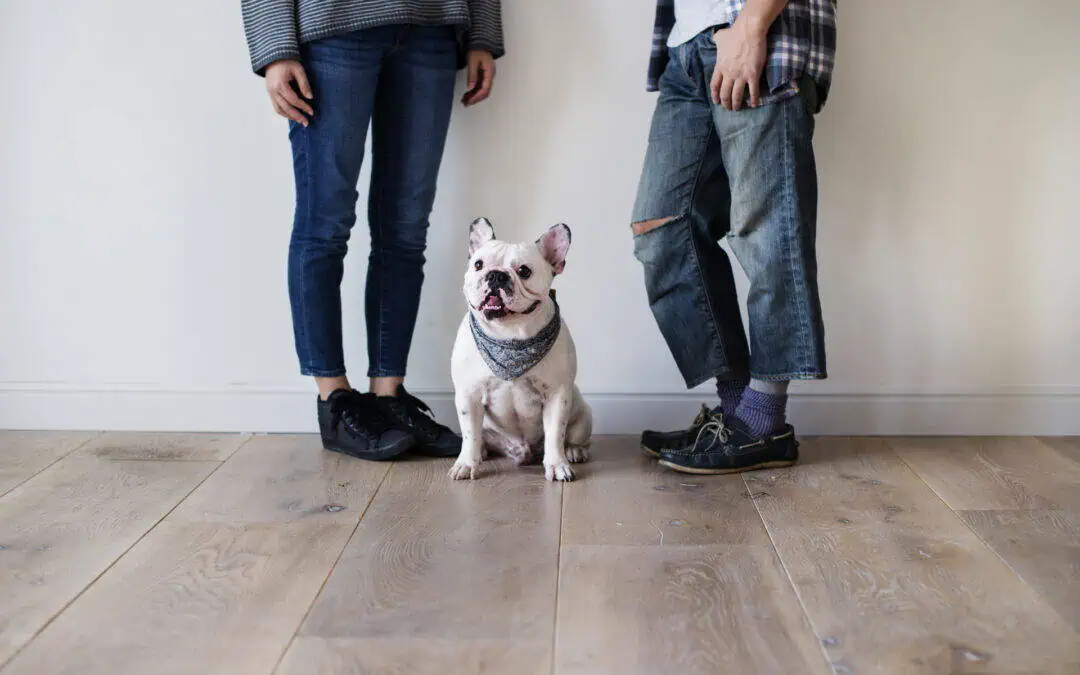
Finding the right flooring when living with pets can feel like a balancing act. It must be tough enough to handle claws, comfortable for paws, and resistant to inevitable spills and accidents. Pets bring joy and energy to a home, but they also bring wear and tear, especially to floors. According to the American Pet Products Association, nearly 70% of U.S. households own a pet, which makes pet-friendly flooring one of the most in-demand considerations for homeowners today. Understanding the best flooring options for pet owners can help create a home that’s both stylish and practical.
Understanding Flooring Challenges for Pet Owners
Pets, whether they are cats, dogs, or other companions, create specific flooring challenges. A family with two large dogs and a playful cat may notice scratches, tracked-in grit, spills, and worn finishes much sooner than a household without animals. The American Veterinary Medical Association estimated that the United States had approximately 89.7 million pet dogs in 2024, showing how many households must consider pets when selecting interior materials. A flooring contractor can compare durability, moisture resistance, traction, and cleaning requirements before recommending a suitable surface. Choosing the wrong material can lead to frequent repairs or premature replacement.
- Claws and tracked-in grit can scratch softer flooring and surface finishes.
- Spills and accidents may damage seams, boards, and subflooring when they are not cleaned promptly.
- Comfort and traction matter because some hard floors can feel slippery under a pet’s paws.
Durable Hardwood Alternatives for Pets
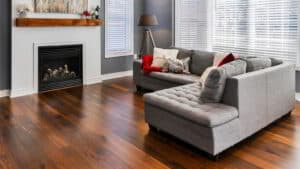
Hardwood floors provide natural beauty, but active pets may leave scratches, dents, and water marks on the finish. Engineered hardwood and laminate can deliver a similar appearance while offering different levels of dimensional stability and surface protection. The National Wood Flooring Association explains that pet scratches are usually limited to the floor’s surface and may be repairable with a maintenance coat when the damage is not deep. Product performance still varies, so owners should compare finish quality, wear-layer thickness, moisture limitations, and manufacturer warranties before making a selection.
- Engineered hardwood is generally more dimensionally stable than solid wood during humidity changes.
- Many laminate products include durable wear layers that simplify routine cleaning.
- Both materials can reproduce the color and grain patterns associated with natural hardwood.
Waterproof and Scratch-Resistant Vinyl Flooring
Vinyl flooring has become a practical option for many pet-friendly homes because it is available in durable, low-maintenance formats. Luxury vinyl plank and tile products often include protective wear layers and water-resistant construction, although performance and warranty coverage differ among brands. The Resilient Floor Covering Institute lists durability, easier maintenance, and water-resistant options among the recognized benefits of flexible LVP and LVT. Pet accidents should still be cleaned quickly because the EPA recommends drying wet building materials within 24 to 48 hours to help prevent moisture-related biological growth and structural deterioration.
- Many LVP products resist everyday moisture, scuffs, and pet-related messes.
- Smooth, nonporous surfaces are generally easier to clean after muddy paws or accidents.
- Some rigid-core products include attached underlayment that adds cushioning and sound absorption.
Tile Flooring for Easy Cleaning
Tile flooring is a dependable choice for homes with pets because properly selected ceramic and porcelain products tolerate frequent cleaning and heavy traffic. The Tile Council of North America identifies ceramic tile as stain-resistant, easy to clean, and capable of withstanding heavy foot traffic. Textured and enhanced-traction products are available, but no surface should be assumed slip-proof without reviewing its tested performance. Grout should also be sealed or maintained as recommended because it may absorb stains and odors more readily than the tile itself.
- Ceramic and porcelain tiles provide durable surfaces for active households.
- Textured or enhanced-traction products may help pets maintain steadier footing.
- Properly maintained tile resists many stains, odors, and everyday pet messes.
Carpet Options for Pet Owners
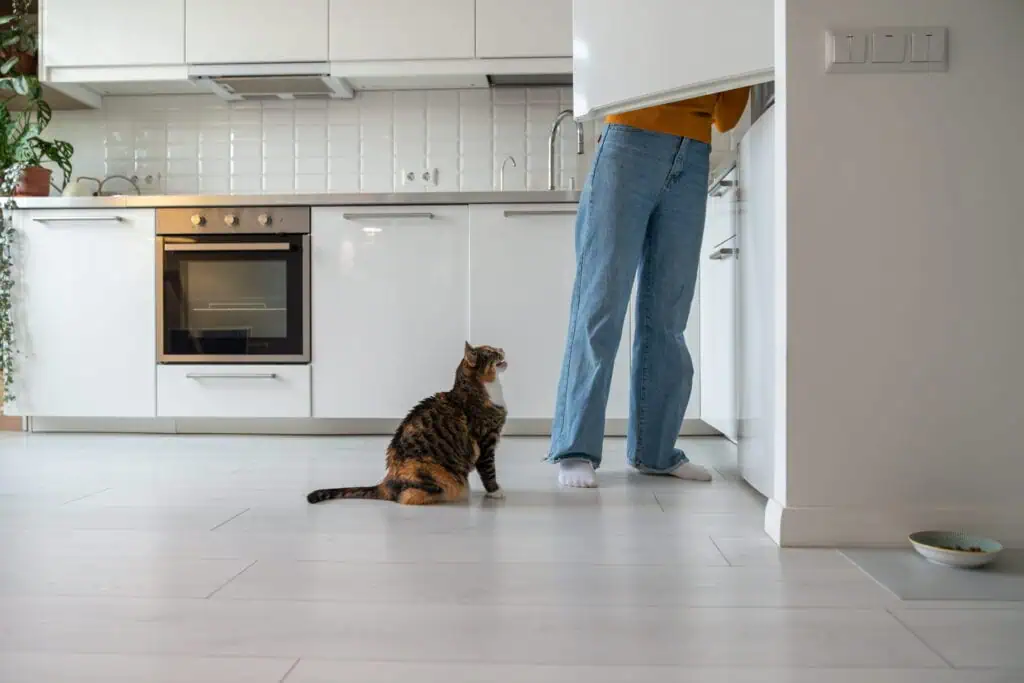
Carpet might not seem like the first choice for pet-friendly flooring, but certain products are designed to handle frequent activity, shedding, and occasional accidents. Low-pile carpet with stain-resistant fibers is generally easier to vacuum and clean than traditional high-pile styles, while secure backing can reduce bunching beneath an older pet’s feet. The CDC reports that dog or cat allergies affect approximately 15% of the population, making regular removal of hair, dander, dust, and accident residue especially important. A flooring contractor can compare pile height, fiber type, backing, stain warranties, and professional cleaning requirements before recommending carpet for a pet-friendly home.
- Low-pile carpets are easier to vacuum and less likely to snag on claws.
- Stain-resistant fibers can simplify cleanup, but accidents should still be treated promptly.
- Routine vacuuming and periodic deep cleaning help control hair, dander, odors, and embedded dirt.
Natural Flooring Options for Eco-Conscious Pet Owners
Natural flooring materials such as bamboo and cork can provide attractive alternatives for pet owners who are also considering sustainability. Bamboo products vary considerably in hardness and scratch resistance, so shoppers should compare the manufacturing method, protective finish, and warranty instead of assuming every product performs the same way. USDA Forest Service research found that bamboo’s chemical content and specific gravity stabilize at about three years of age, making that an appropriate harvesting stage for the species studied. Cork provides cushioning and can help soften household sound, but its surface may require a durable protective finish to resist claws, moisture, and furniture dents.
- Bamboo is a rapidly renewable material, although durability varies by product.
- Cork provides a warmer, more cushioned surface than many hard flooring materials.
- Both options require prompt spill cleanup and manufacturer-approved maintenance.
Choosing the Best Flooring for Your Home
Selecting suitable flooring requires careful consideration of each pet’s size, age, activity level, mobility, and accident history. Active animals may benefit from durable vinyl, tile, or laminate, while older pets often need surfaces that provide dependable traction and cushioning. The American Animal Hospital Association reports that senior animals make up 44% of the pet population, and its senior-care guidance recommends rugs or secure mats for better footing when pets experience mobility problems. Testing flooring samples at home can help owners compare traction, scratch visibility, comfort, noise, and cleaning difficulty before making a final selection.
- Match flooring durability to each pet’s size and activity level.
- Consider traction, temperature, cushioning, and noise as well as appearance.
- Review moisture limitations, wear ratings, warranties, and cleaning instructions before purchasing.
Key Takeaways for Flooring That Works for Pet Owners
Creating a pet-friendly home means balancing practicality with aesthetics. Durable, scratch-resistant materials like vinyl and tile are excellent for active households. Sustainable options like bamboo and cork provide an eco-friendly alternative. The choice ultimately depends on individual preferences and how well the flooring meets the needs of both pets and owners.
- Vinyl and tile are durable, low-maintenance, and pet-friendly.
- Engineered hardwood and laminate mimic hardwood while resisting scratches.
- Sustainable options like bamboo and cork offer comfort and style.

Frequently Asked Questions About Flooring for Pet Owners
1. What flooring is easiest to clean with pets?
Vinyl and tile are the easiest to clean due to their water-resistant and stain-proof surfaces, making them ideal for pet accidents.
2. Can pets damage laminate flooring?
While laminate is more resistant to scratches than hardwood, large or active pets can still cause damage if their claws aren’t trimmed.
3. Is carpet a good choice for pet owners?
Low-pile carpets with stain-resistant fibers can work well for pet owners, especially in homes with older or less active pets.
4. Are there hypoallergenic flooring options for homes with pets?
Cork and bamboo are great hypoallergenic choices, as they resist mold, mildew, and allergens commonly associated with pets.
5. Which flooring is best for large dogs?
Luxury vinyl plank or tile is often the best choice for large dogs, as it resists scratches and handles wear and tear effectively.
This guide offers a thorough exploration of flooring choices, ensuring pet owners can make informed decisions to create a comfortable and functional space for both themselves and their furry companions.